Advanced Mobile Entertainment builds car audio systems around what matters most: the listener, the vehicle and the music. From speakers and subwoofers to amplification, DSP tuning and complete custom systems, every upgrade begins by understanding what your vehicle has—and what you want it to become.


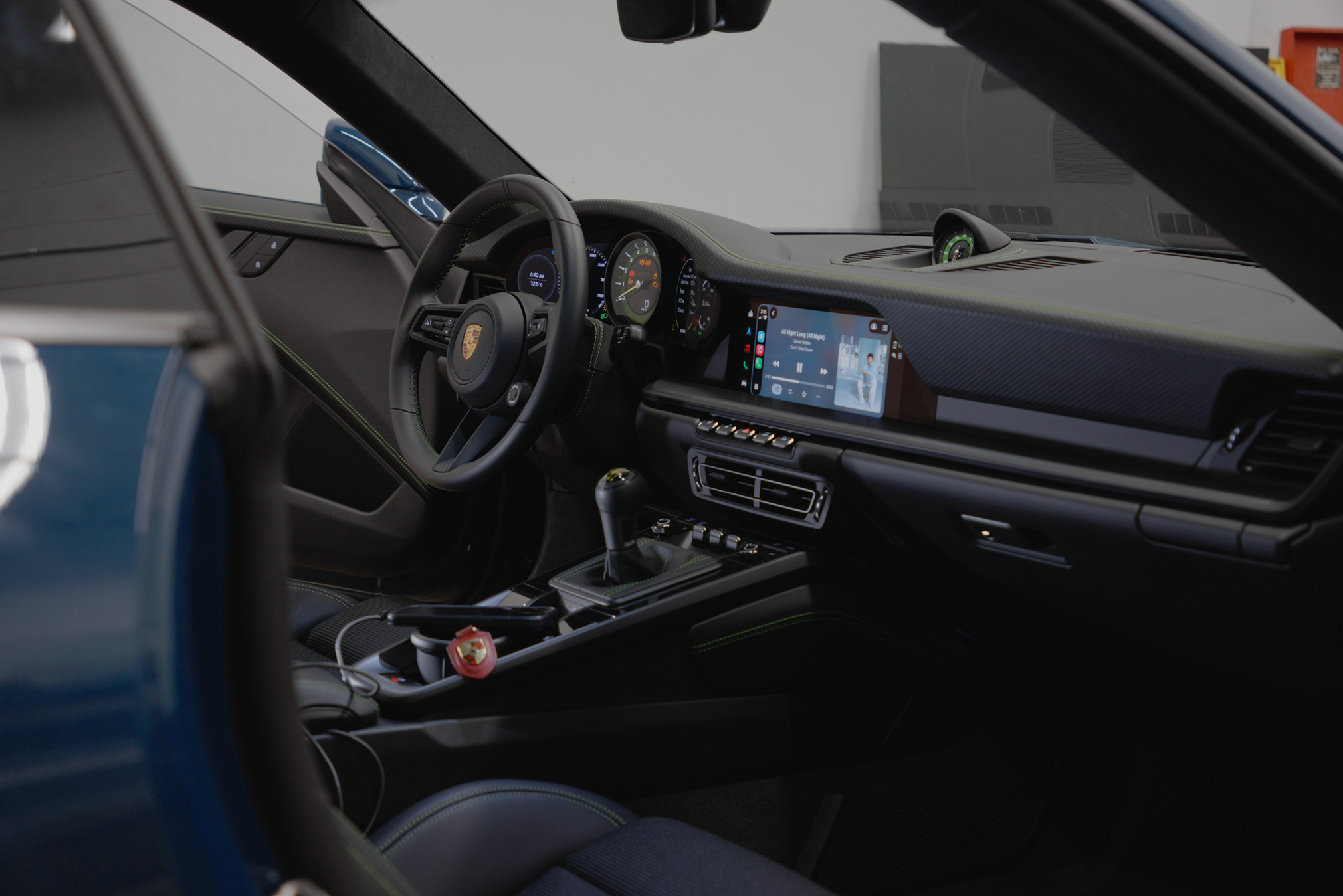

Exceptional sound doesn't come from choosing the most expensive speaker, amplifier or subwoofer. Every component operates within a larger system shaped by the source, factory signal, vehicle acoustics, installation and tuning. That's why AME doesn't begin with a product list.
We begin by understanding the vehicle, measuring what the audio system is doing and listening to what you want it to do better.
You don't need to understand frequency response or signal processing to know when your car audio system doesn't sound right. Sometimes you've been hearing the problem every day.

The volume increases, but the music doesn't become clearer. Eventually, it just becomes harsh or tiring.
There's weight at lower volumes, but turn the system up and suddenly the low end doesn't hit the way it did before.
Everything is playing, yet voices and instruments compete with one another instead of occupying their own space.
It has more speakers, more power and a premium badge, but the listening experience still isn't what you expected.
A car is a difficult place to reproduce music. Speakers sit where the vehicle allows, the listener sits closer to some than others, and glass, doors, panels and road noise all interact with what reaches your ears. Great car audio works with that environment, not as if it doesn't exist.
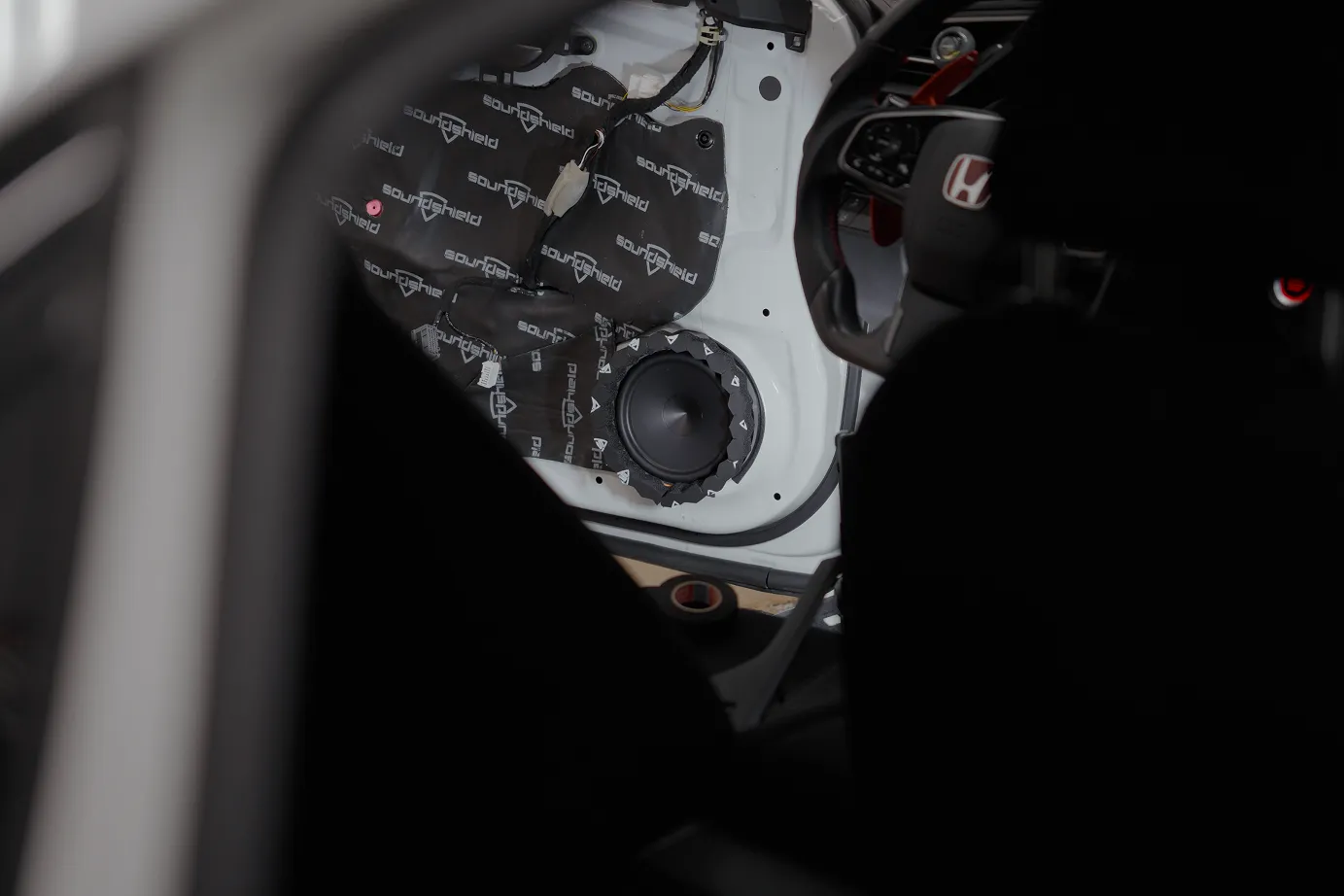
Factory locations are designed around the vehicle as much as the sound. Where a speaker sits changes what reaches the listener.
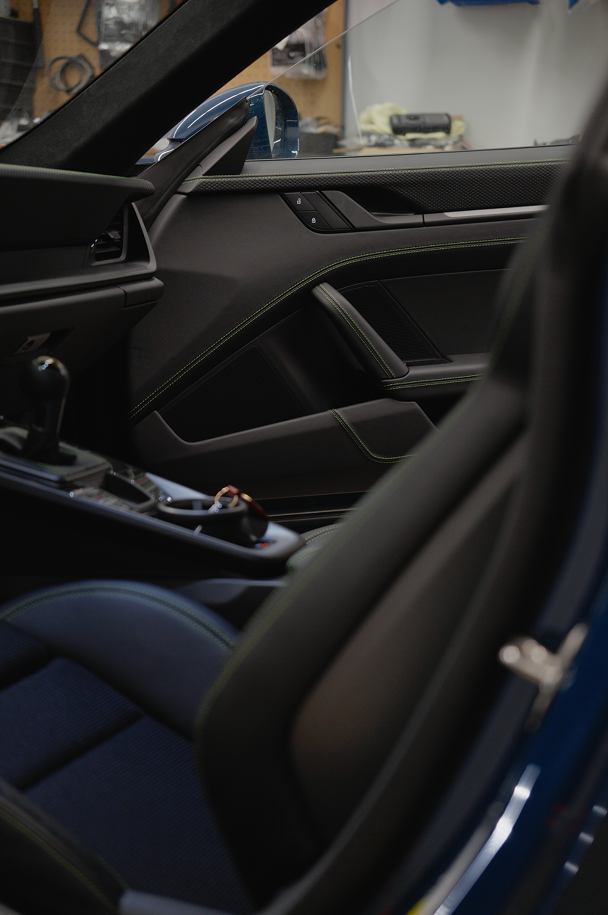
You're not sitting in the middle. Different distances between you and each speaker affect when their sound reaches you.
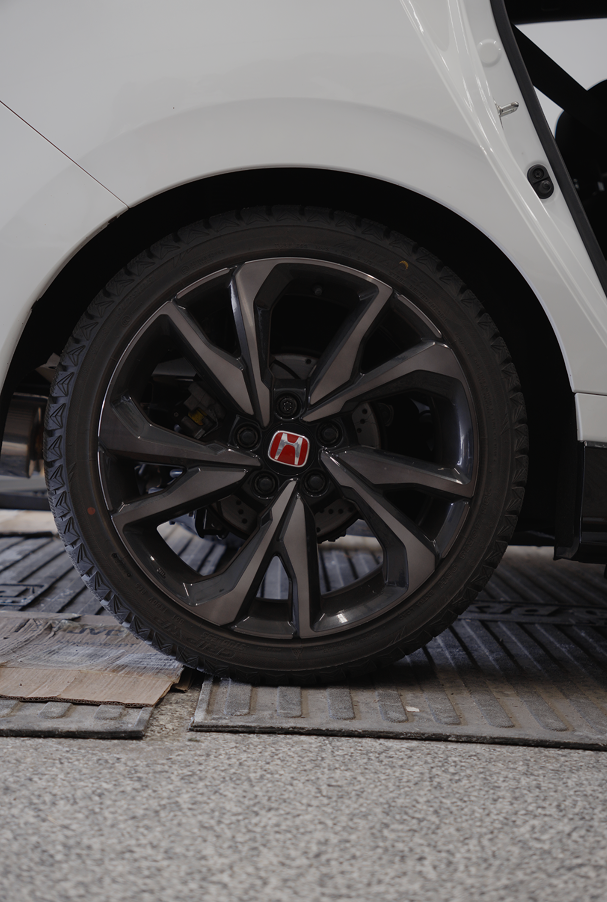
Tires, road, HVAC and the vehicle itself compete with quieter details in the music.
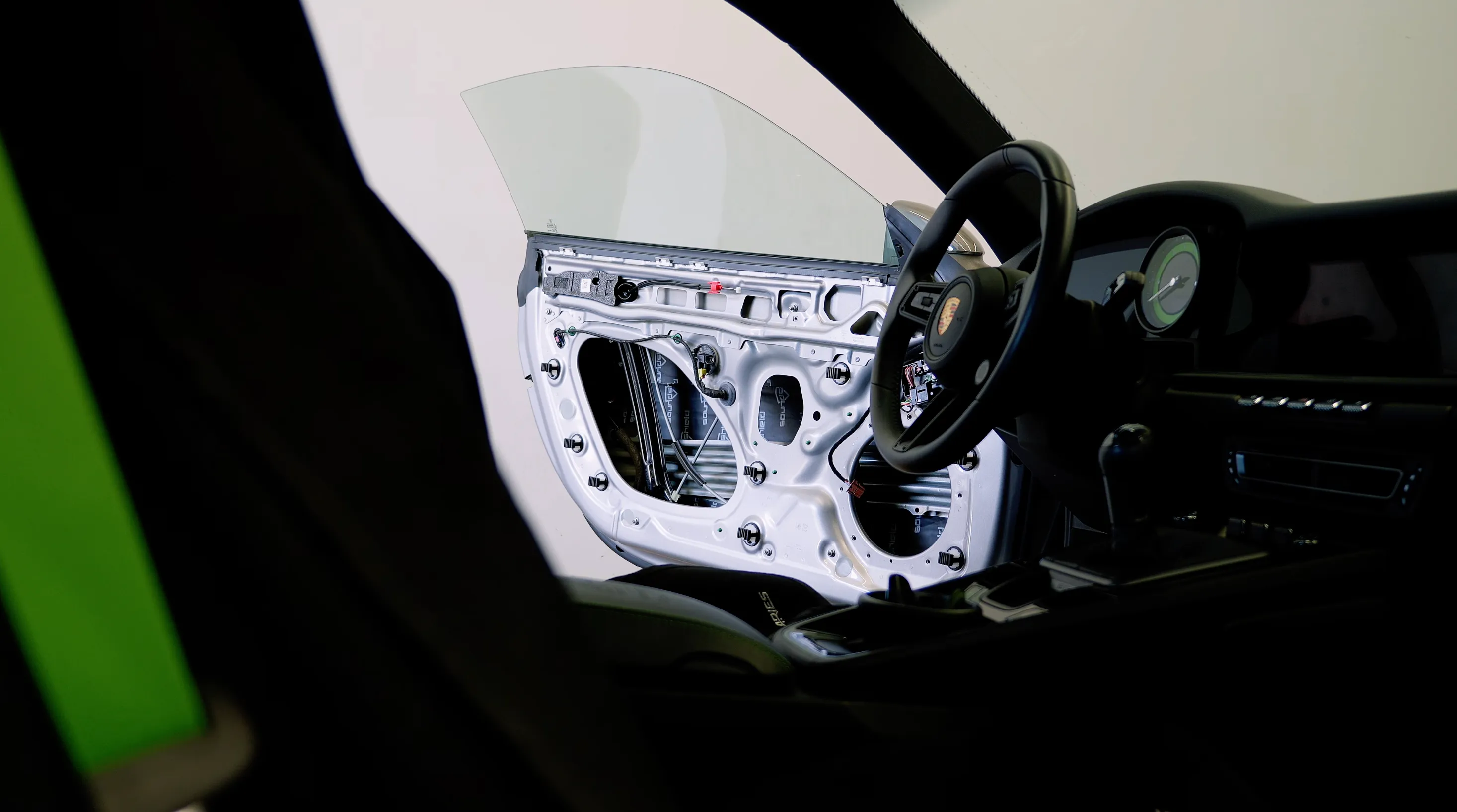
Doors, panels and cavities can vibrate with speaker output, introducing unwanted sound and reducing clarity.


A vehicle places limitations on sound before an aftermarket component is ever installed. Speakers are mounted in doors, dashboards and other factory locations dictated by packaging, visibility, safety and interior design. The listener is also positioned much closer to some speakers than others.
Then there is the cabin itself. Glass reflects sound, doors and panels can resonate, speaker output interacts with cavities and surfaces, and road, tire, HVAC and engine noise compete with musical information.
The goal for most car audio systems isn't to eliminate every compromise by rebuilding the interior around acoustics. It's to understand those compromises and use appropriate speaker placement, acoustic treatment, system design and DSP tuning to extract as much performance as possible while keeping the vehicle practical.
A car audio system doesn't operate in silence. Once the vehicle starts moving, road, tire and engine noise raise the acoustic floor inside the cabin. Sometimes improving what you hear isn't about making the system louder, it's about controlling what competes with it.
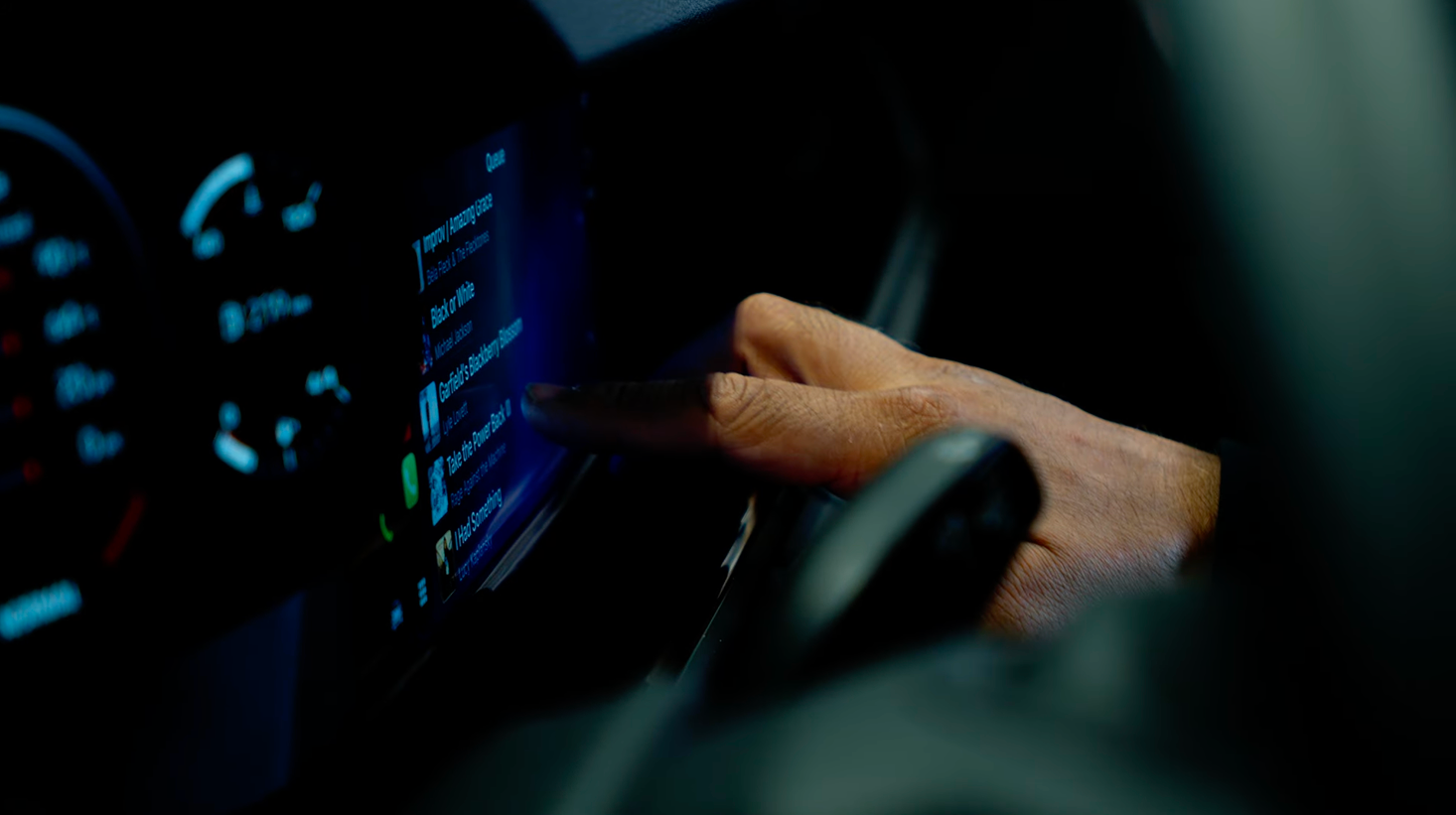
Performance vehicles make the problem easy to understand. Tires, road and the drivetrain are intentionally part of the experience.
Advanced Mobile Entertainment has worked with Porsche owners whose audio systems were competing with enough cabin noise that simply asking the speakers to play louder wasn't the complete answer. Applying sound-deadening treatment to appropriate areas helped reduce unwanted noise and vibration, allowing more of the system's detail to be heard.
Sometimes the next improvement in car audio isn't another speaker or amplifier. It's improving the environment the system already has to work within.
Modern factory and OEM audio systems can shape the music before it ever reaches a speaker. Equalization, bass roll-off, time delay and other processing may already be present in the original signal. Advanced Mobile Entertainment uses measurement and RTA analysis to understand what the vehicle is actually producing before determining how a car audio system should be upgraded.
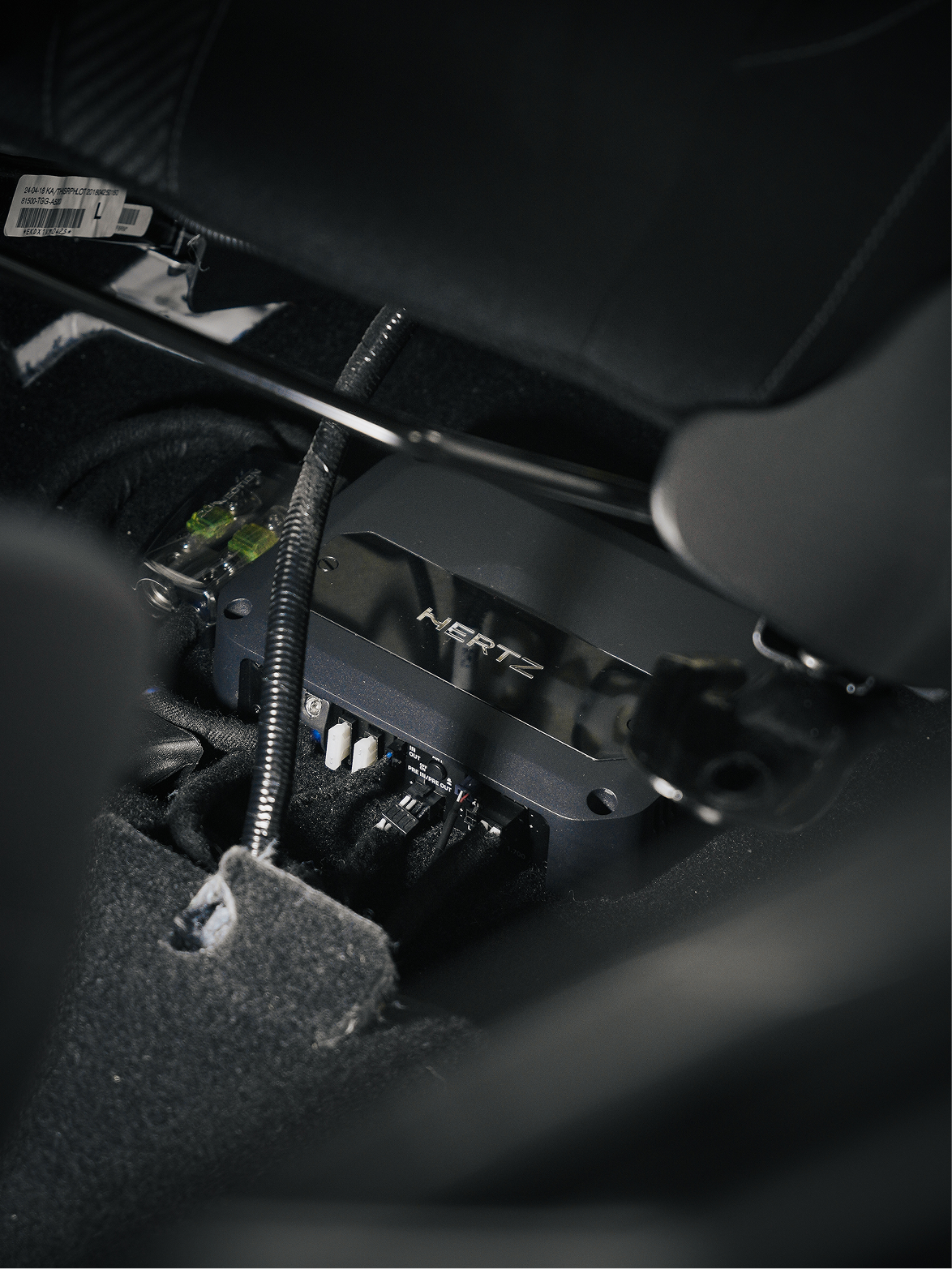


The original system may boost or reduce certain frequencies to suit factory speakers and the manufacturer's intended sound.
Some systems reduce low-frequency output as volume increases, limiting bass when you ask for more of it.
Factory timing can affect how upgraded speakers interact when the original processing remains in the signal.
Phase-related processing can alter how frequencies combine, creating complications when integrating an aftermarket system.
Before integrating aftermarket equipment, AME needs to understand the signal the factory audio system provides.
RTA analysis and electrical testing allow us to examine frequency behaviour and identify a suitable signal for integration. Depending on the vehicle, that can mean looking for bass roll-off, factory equalization, time delay, all-pass filtering and differences between available channels.
That information matters because a DSP provides enormous control, but it still needs to be integrated with an understanding of what is entering it. If the factory system has already altered the signal, those changes can affect everything added downstream.
Measurement turns an assumption about how the factory system sounds into information we can actually design around.
Better speakers can reproduce what they're given more effectively, but they can't automatically correct every problem already present in the signal. If the source of the problem is upstream, changing the speaker alone may leave the real limitation untouched. That’s what a Digital Signal Processor (DSP) is for: correcting and shaping the signal being sent to the speakers.
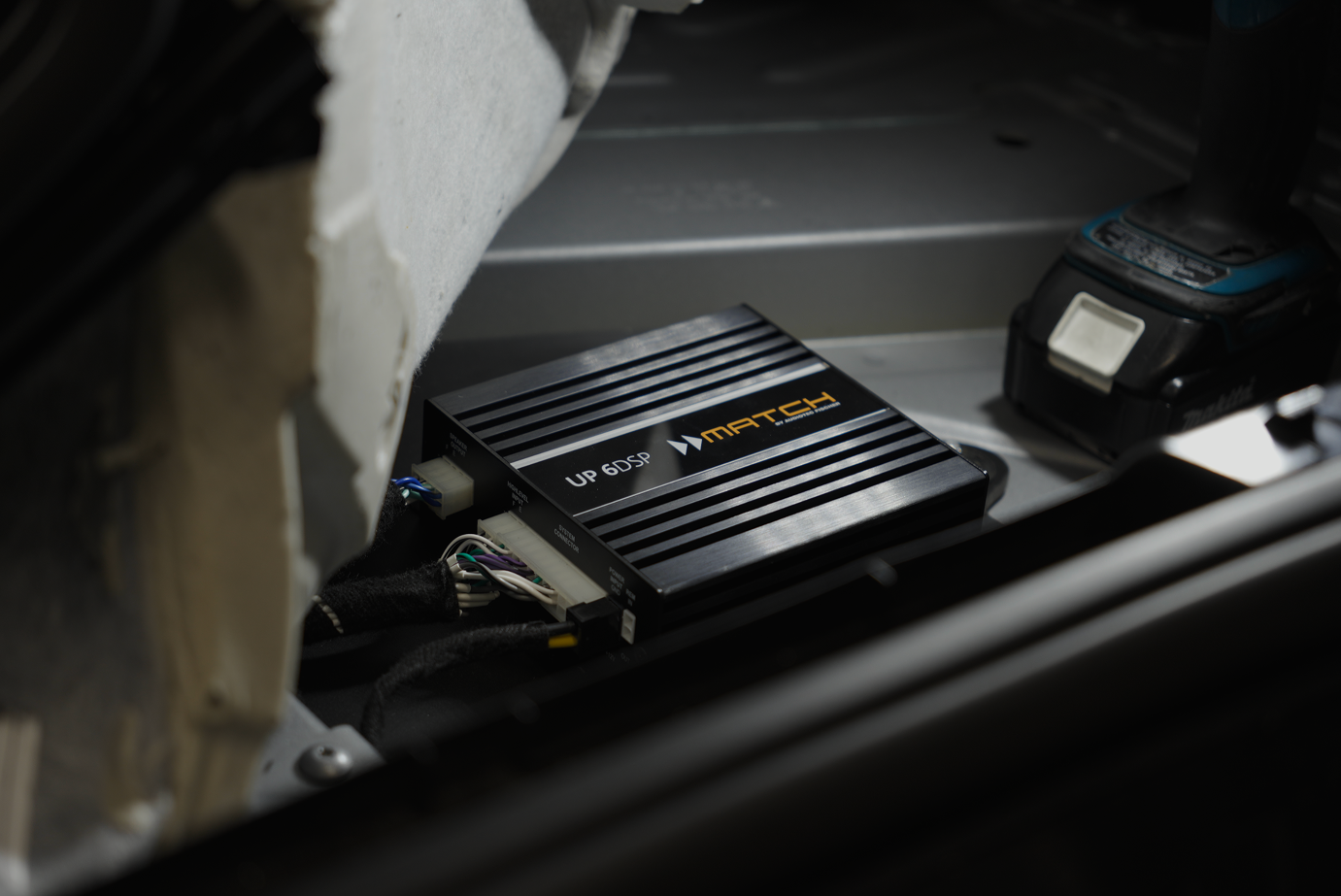
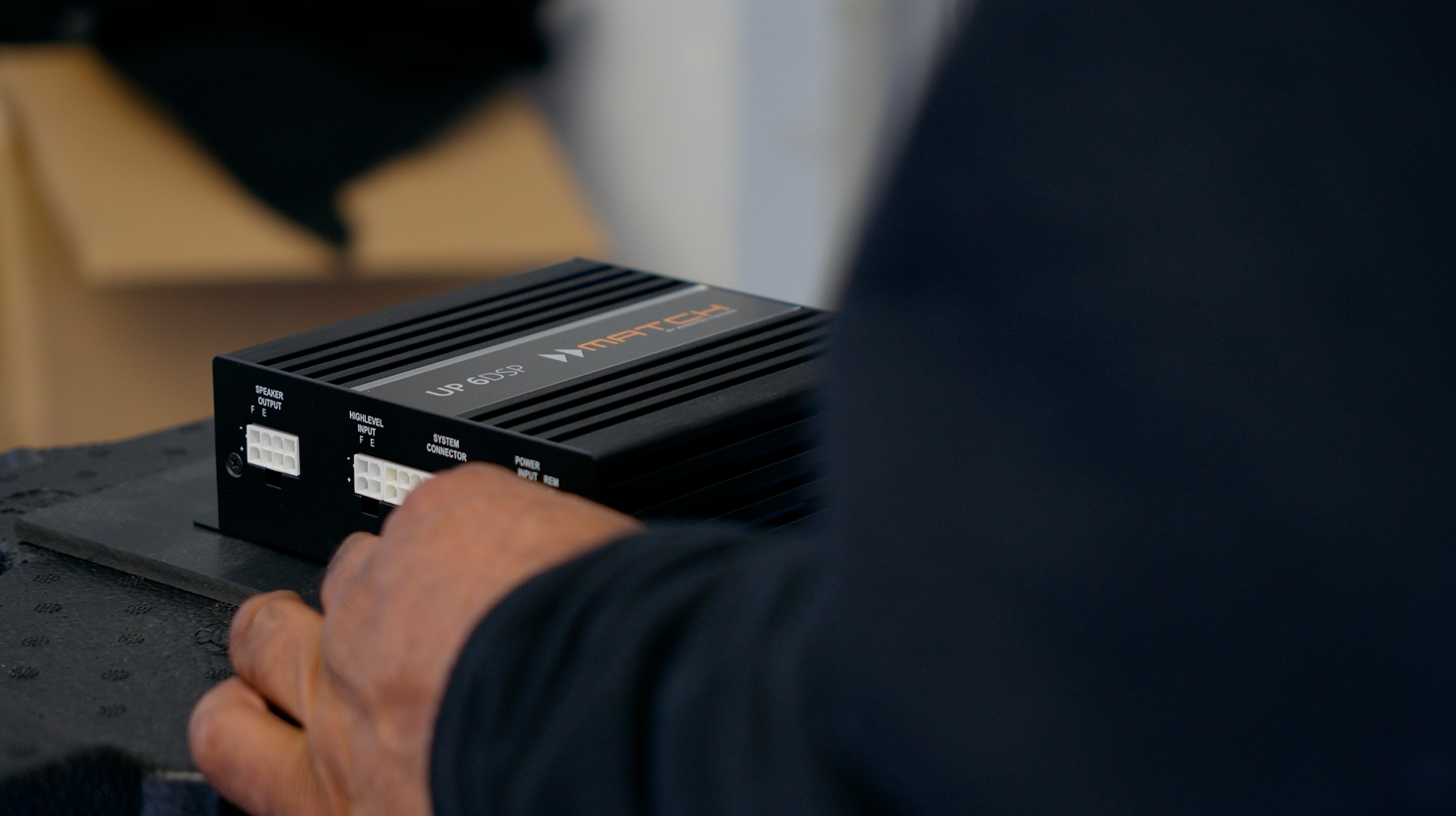
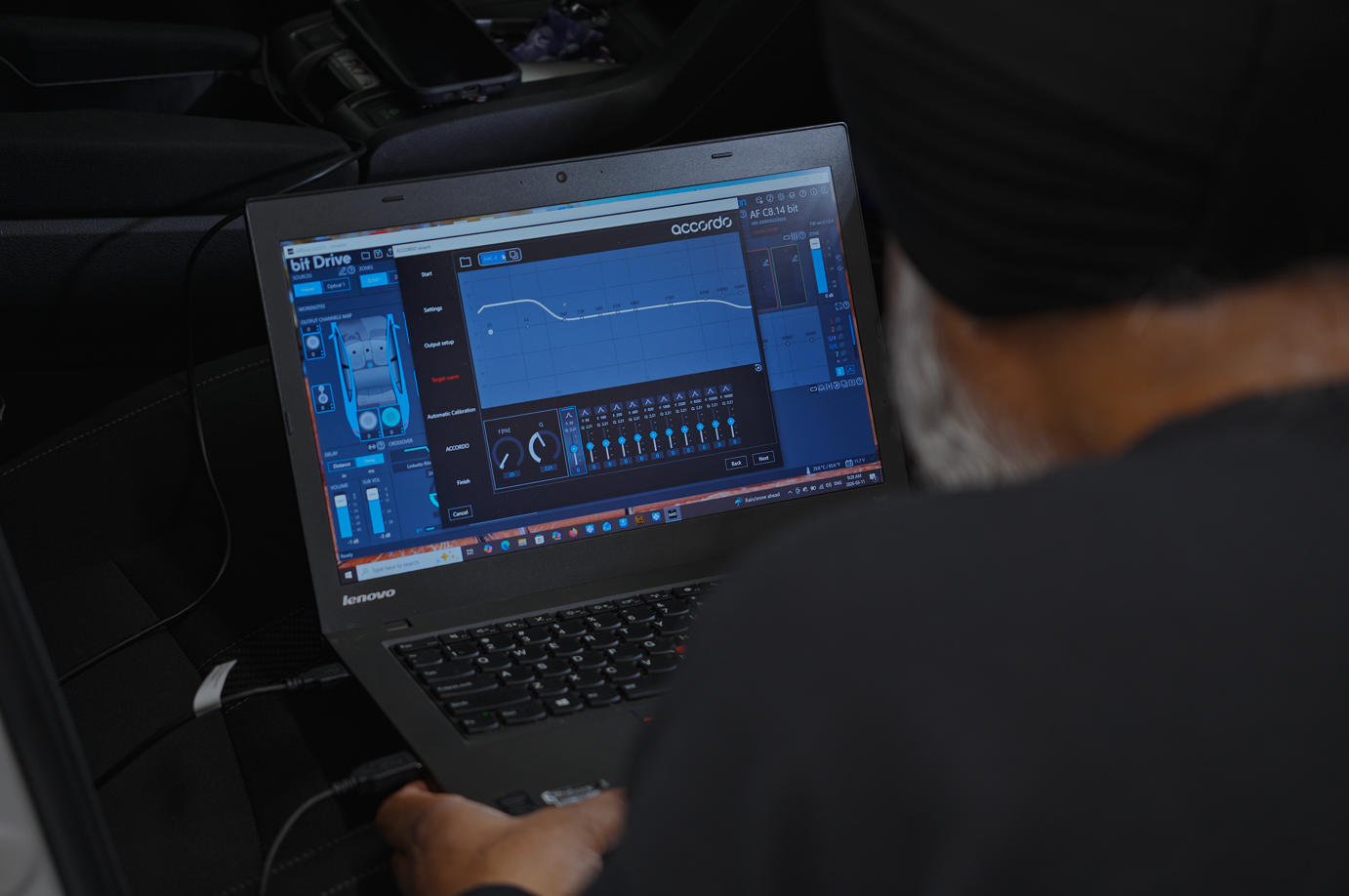
A Digital Signal Processor gives AME precise control over how the individual parts of a car audio system work together. DSP tuning allows timing, frequency response, crossover behaviour and system integration to be shaped around the vehicle and listening position.
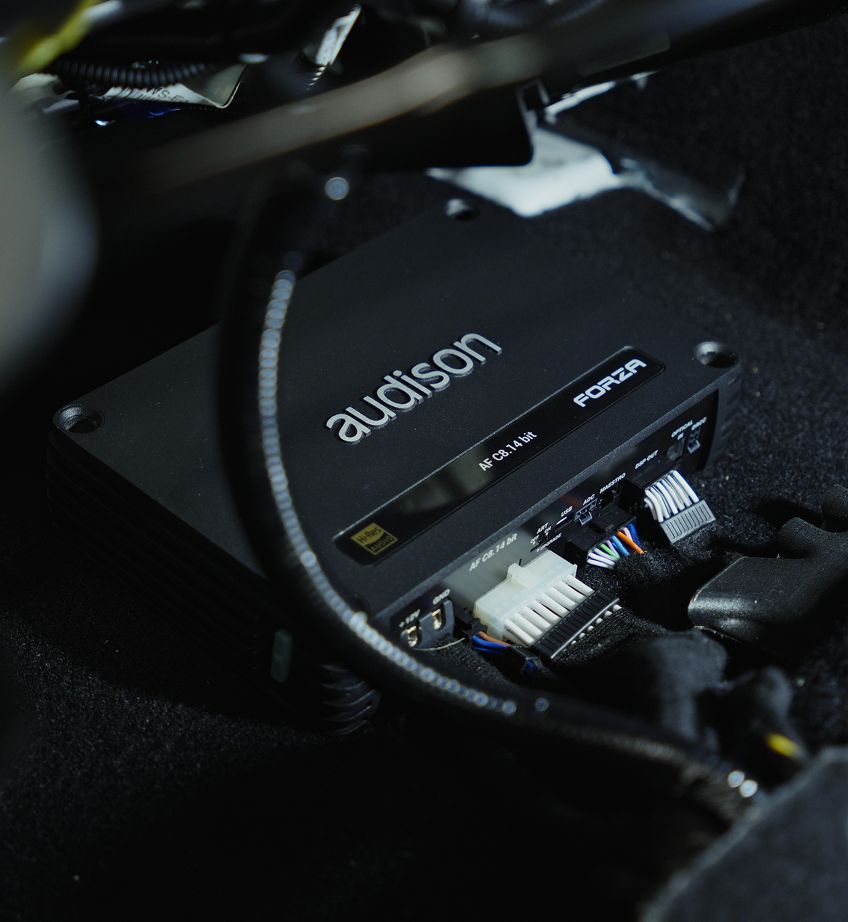

Precise delay helps compensate for the different distances between the listener and each speaker.
Frequency response can be adjusted to address peaks, dips and tonal imbalances within the system.
Each speaker can be assigned the frequency range it is designed to reproduce.
How speakers interact matters as much as how they perform individually. Proper integration helps the system behave as one rather than a collection of separate sound sources.
A DSP gives the tuner control over how audio is distributed and reproduced throughout the vehicle.
Time alignment can compensate for the listener being closer to some speakers than others. Crossovers determine which frequencies each driver is responsible for. Equalization allows frequency response to be shaped, while level and phase adjustments help multiple speakers integrate more coherently.
But DSP isn't a magic repair button. It cannot make an unsuitable speaker appropriate for an application, eliminate every acoustic limitation of a vehicle or compensate for poor installation.
Its value comes from control. Once the vehicle, signal and equipment are understood, DSP gives the tuner the tools to make those elements work together as a system.
There is no single definition of the perfect car audio system. Some listeners want deeper bass. Some want greater clarity and detail. Others want more output without sacrificing control. That's why an AME car audio upgrade starts with the listener. We understand what you want to change, consider what the vehicle gives us to work with, and design the system around the experience you're actually looking for.
There isn't one right system. There is a right system for the listener, the vehicle and the objective.
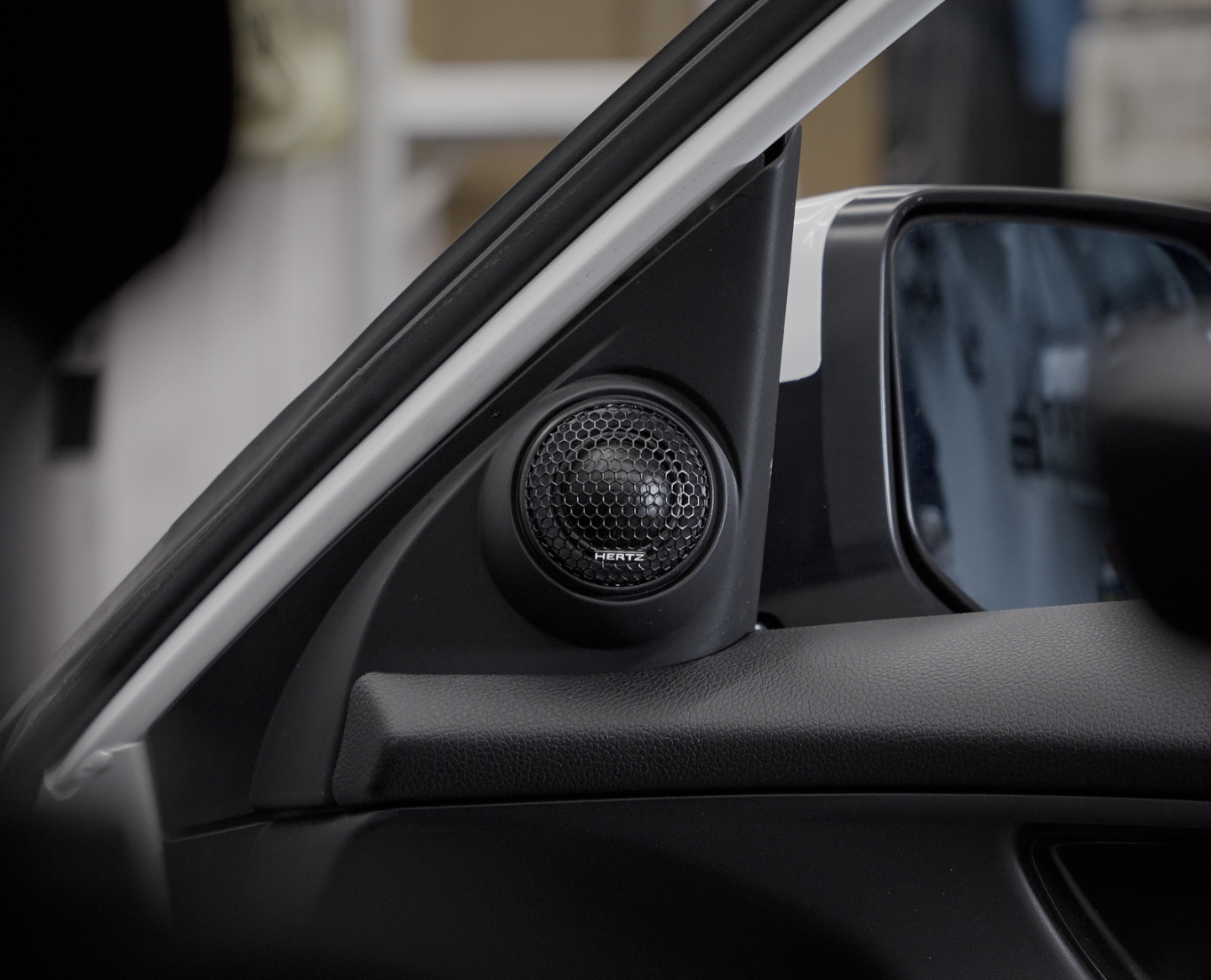
Hear the details that get lost in the factory system from the texture of an instrument to the separation between voices.
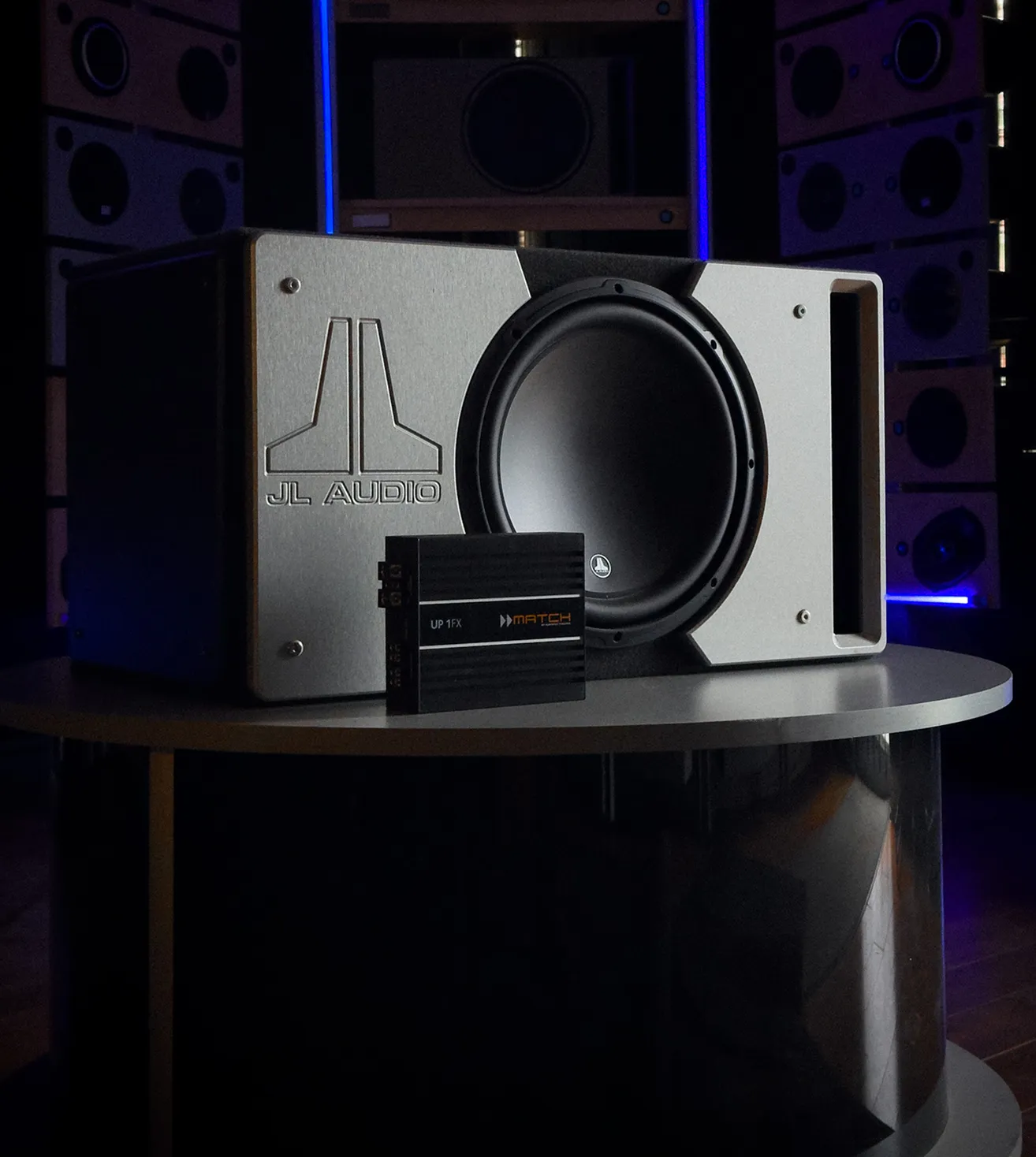
Add the depth, extension and impact that lets low frequencies be heard and felt without overwhelming everything above them.
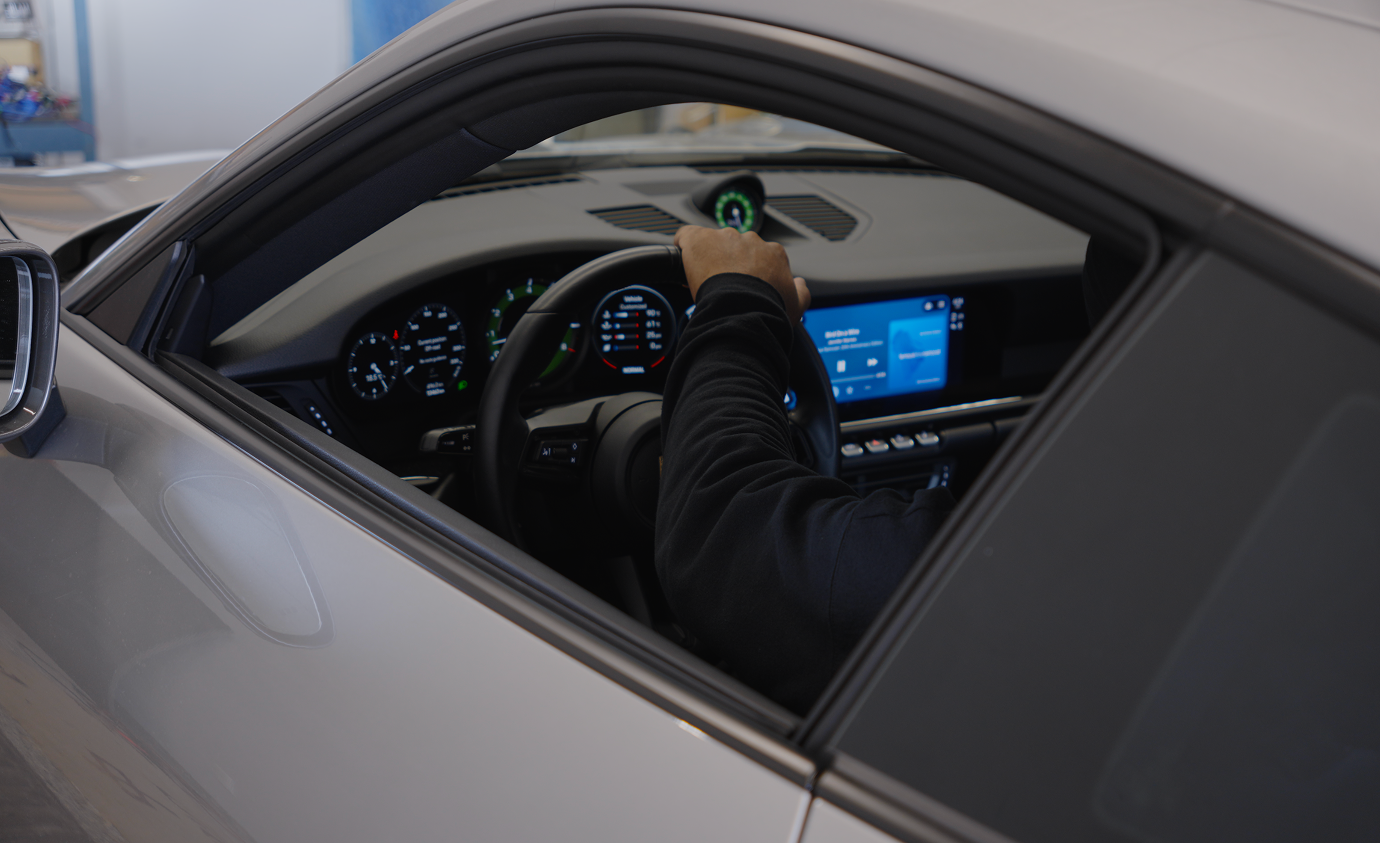
Increase volume while maintaining the control and composure that make the music worth turning up.
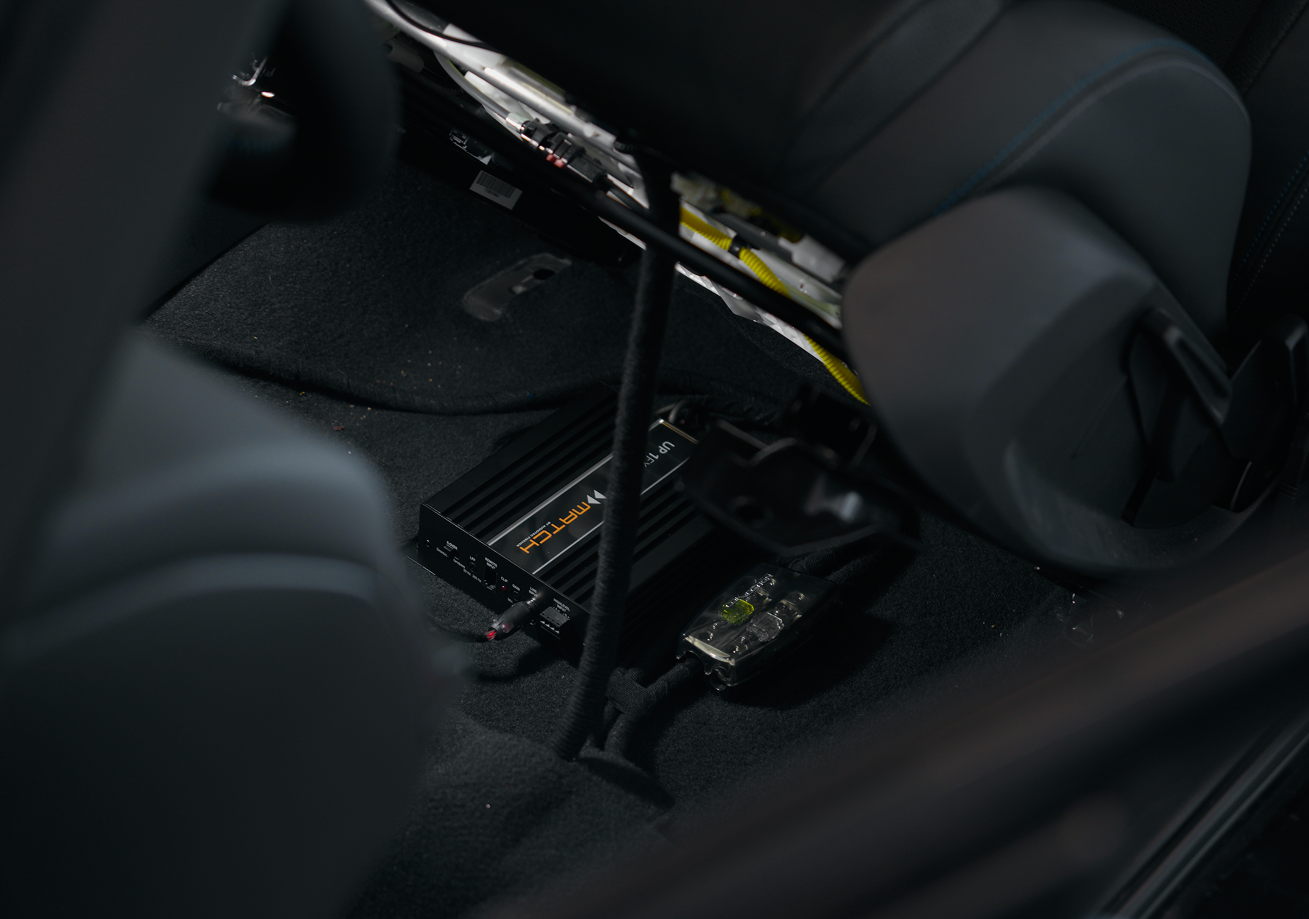
Build a complete car audio system where bass, vocals, instruments and high frequencies complement rather than compete with one another.
A great car audio system isn't defined by how many components it has. It's defined by whether the right components are doing the right jobs and whether they work together.
The component matters. The role it plays in the complete system matters more.

Reproduce much of the music we recognize immediately: voices, instruments, texture and tonal detail.
Handle high-frequency information, contributing detail, definition and the upper end of the listening experience.
Extend the system into the lowest frequencies, adding depth, weight and impact that smaller speakers cannot reproduce in the same way.
Provide the controlled power speakers and subwoofers need to perform appropriately within the system.
Provides control over timing, frequency response, crossovers and the integration of individual speakers.
Helps control unwanted vibration and noise while improving the environment in which the car audio system has to perform.
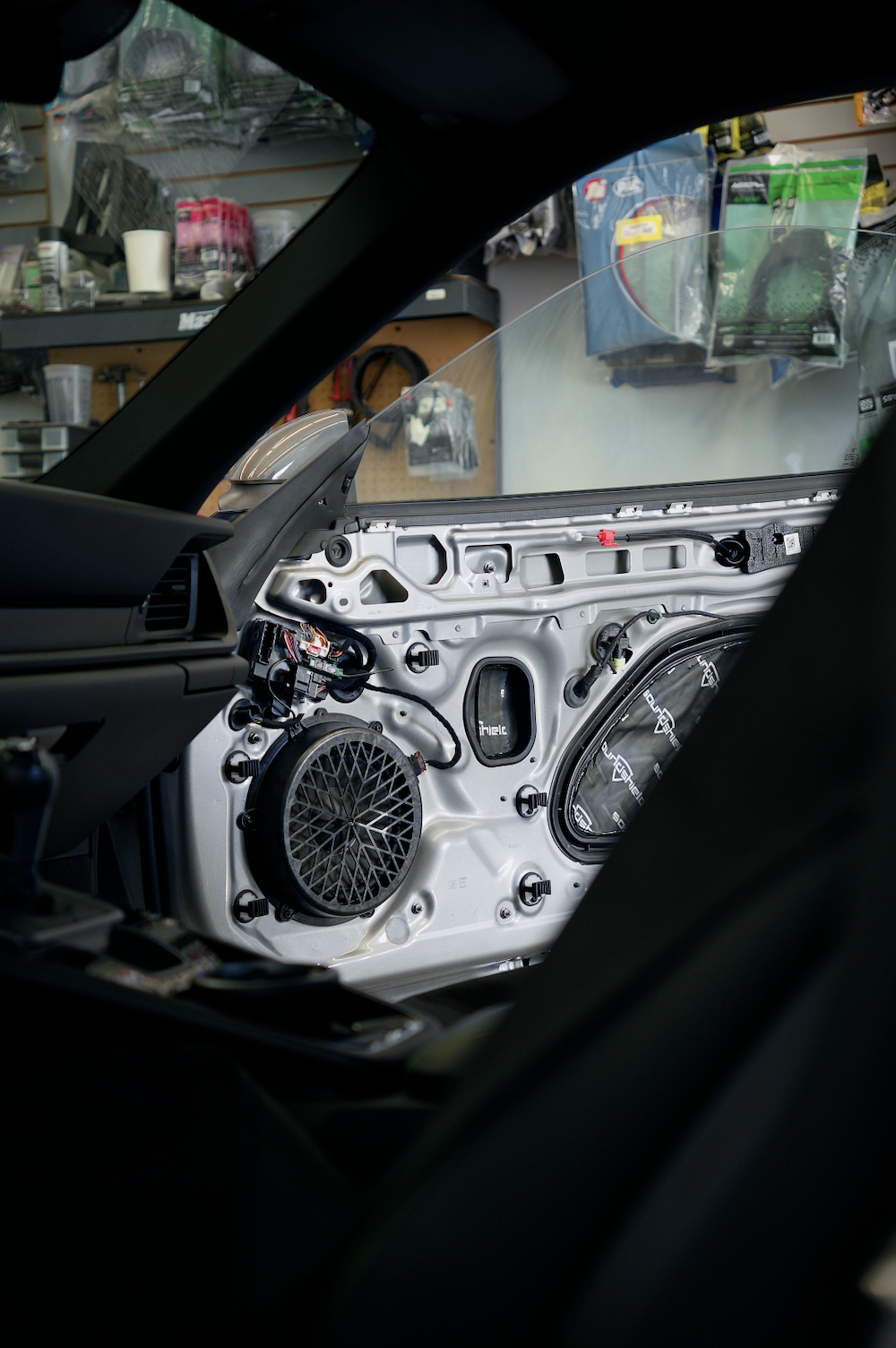
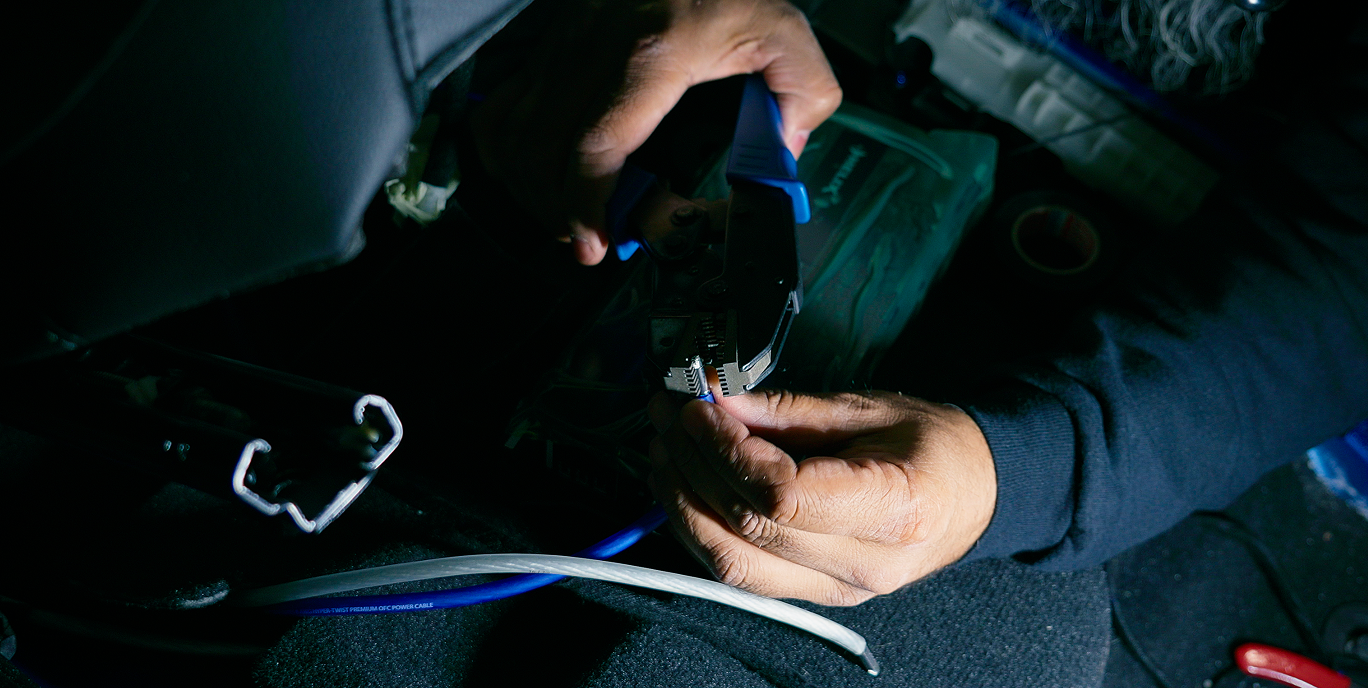
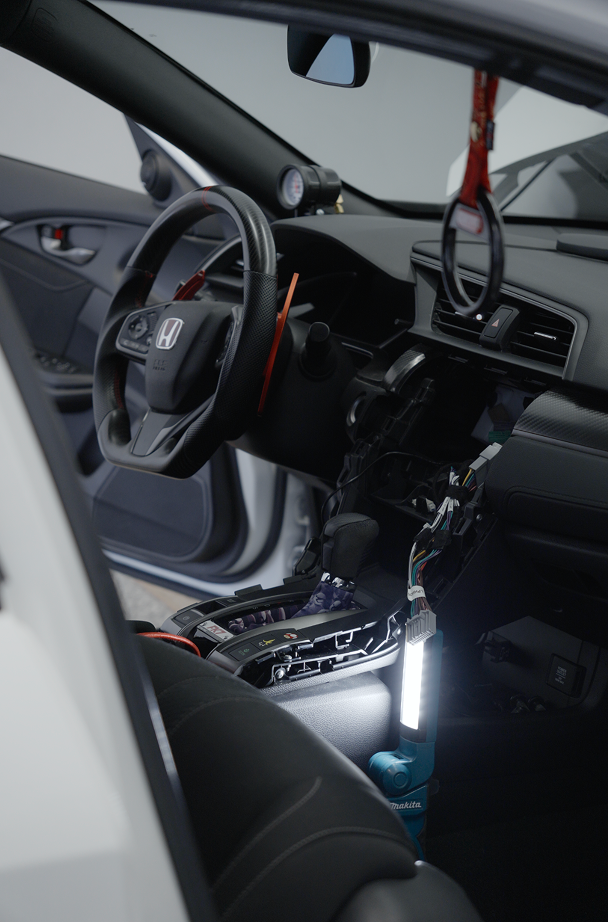
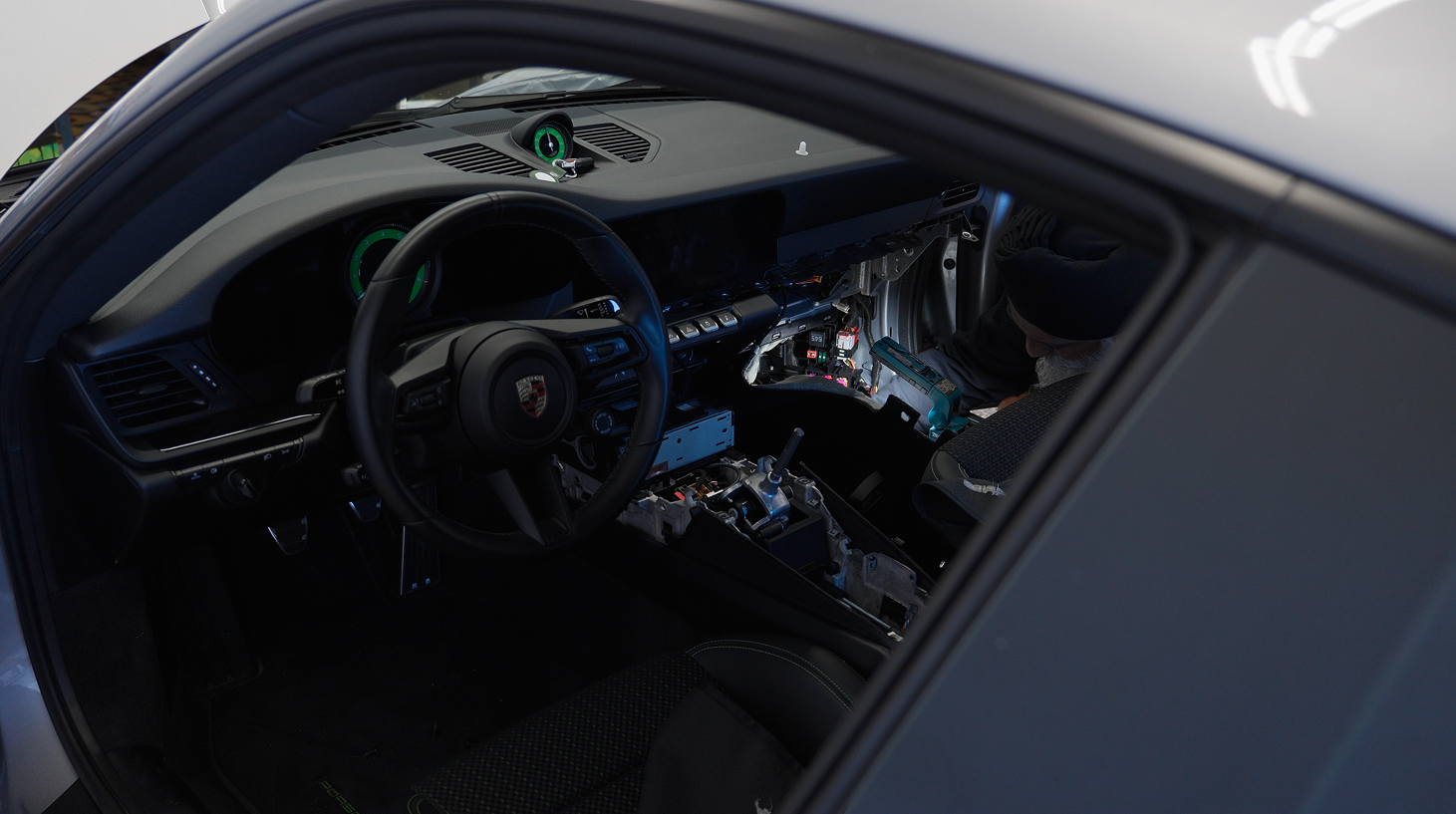
Some of the most important parts of a car audio installation disappear once the vehicle goes back together. Wiring, routing, mounting, protection and integration determine whether the system has been installed with the same care given to the equipment itself. AME plans these details around the vehicle so the finished installation can perform properly while respecting the car it lives in.

Good installation begins long before the panels go back on.
Advanced Mobile Entertainment uses proper wiring, including oxygen-free copper where appropriate and plans how power, signal and speaker wiring are routed through the vehicle. Connections, grounding, mounting and protection all have to suit the electrical demands of the system and the environment in which those materials will live.
Components should be securely mounted and wiring protected where heat, movement or surrounding vehicle systems make it necessary.
These details aren't usually the part of a car audio system a customer sees when the installation is finished. But they influence reliability, serviceability and whether the equipment has been given the foundation it needs to perform as intended.
A clean installation isn't only about what looks good before the panels go back on. It's about doing the hidden work properly because it will stay hidden.
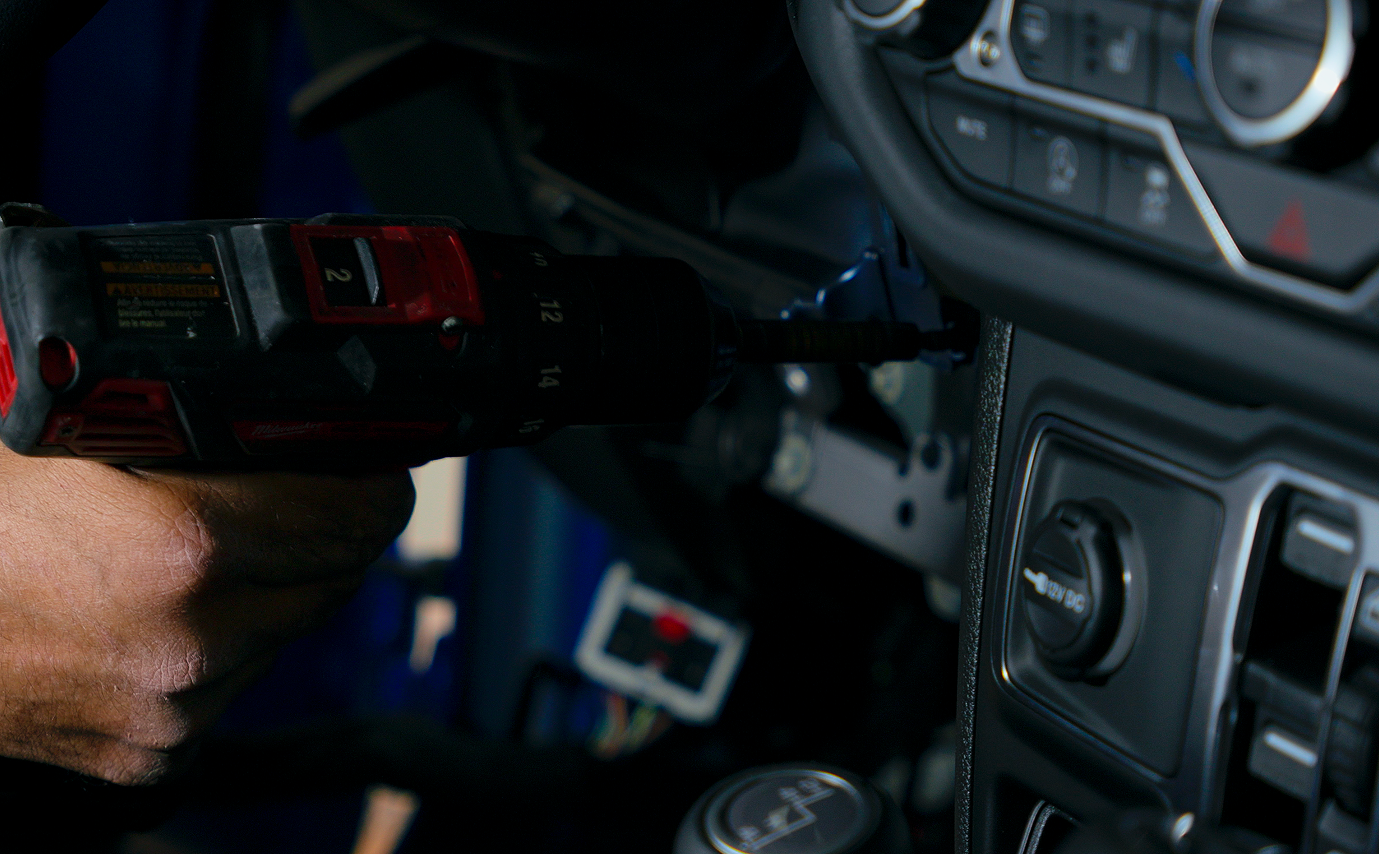
Measurement tells us what a car audio system is doing. Listening tells us what those measurements become when the music starts.
After the signal, crossovers and fundamental system setup are established, AME combines measurement with critical listening, using familiar reference music to evaluate how individual elements are reproduced and how the complete system comes together.
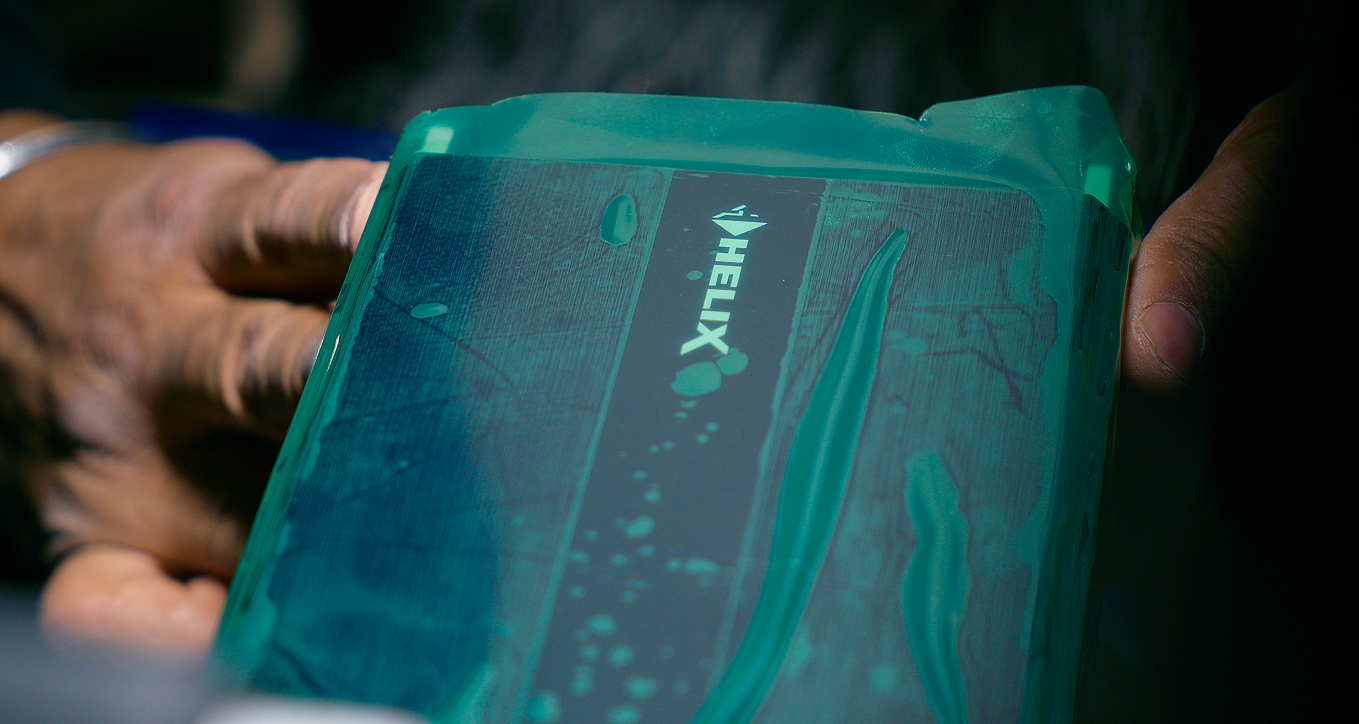

For 30+ years, Advanced Mobile Entertainment has evolved alongside car audio from simpler factory systems to today's DSP, premium OEM audio and increasingly integrated vehicle electronics.
That experience shows in the diagnosis: knowing what to listen for, what to measure and when the obvious upgrade isn't the right one.
With over 30 years of being in business, we are proudly one of the most trusted car audio experts in Brampton and the Greater Toronto Area
More than a thousand vehicles upgraded. From gas cars to electric cars. From sports cars, to daily drivers. From semi trucks to motorbikes. We've done it all.
Since adapting to the digital revolution of businesses, we have garnered well over 260 5-Star reviews.
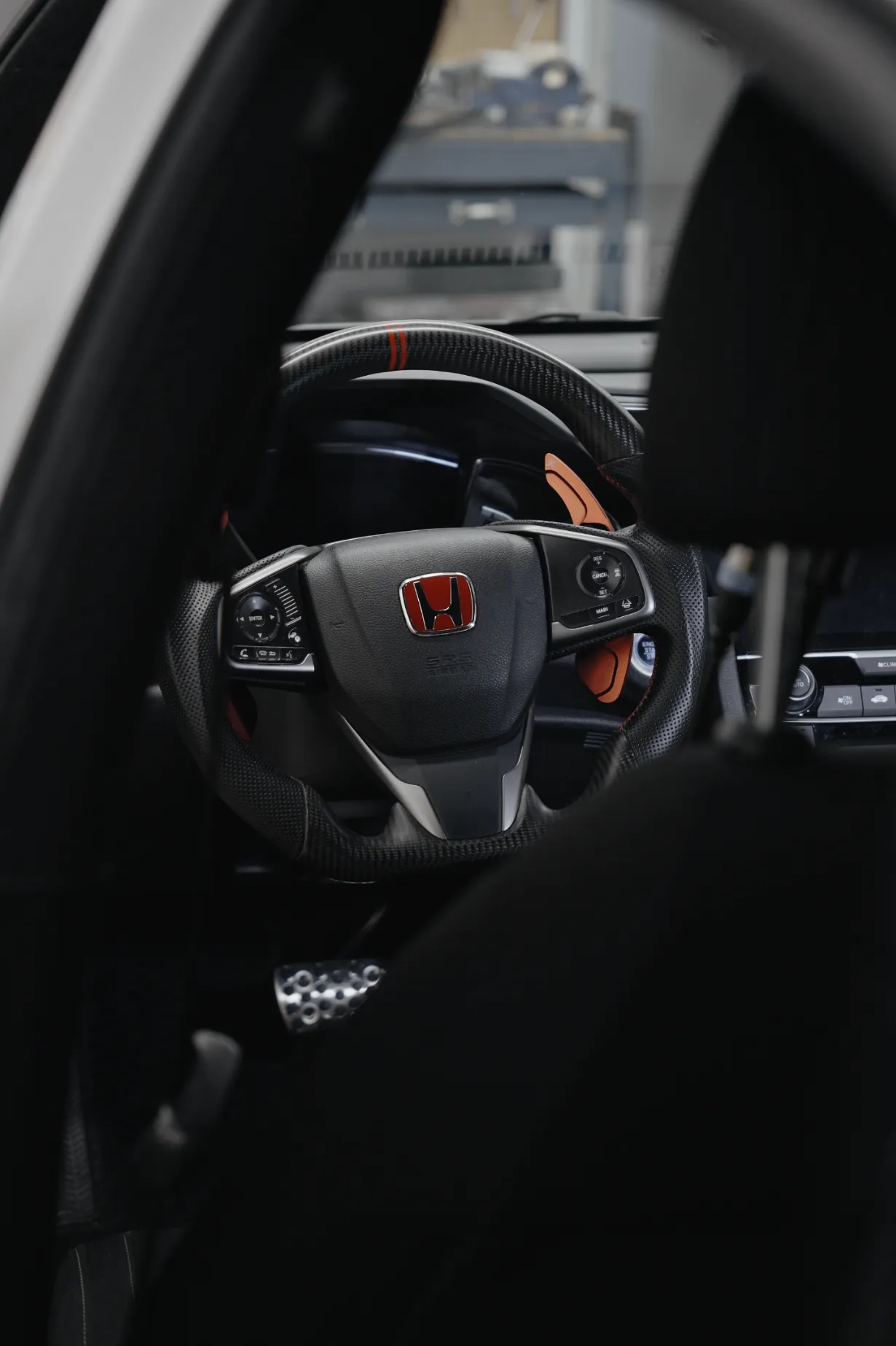
Porsche, BMW, Mercedes-Benz, Audi or daily drivers like Honda, Toyota, Ford, Ram or Tesla, every vehicle brings different acoustics, factory processing and integration challenges. AME doesn't force the same solution into every car. We know what to look for in each one. Experience and knowledge of what to do and, most importantly, what not to do is why drivers from Brampton, the Greater Toronto Area and across Ontario trust Advanced Mobile Entertainment with their vehicles.
Every AME car audio system begins beyond the ordinary factory experience. Enthusiast, Maestro and Audiophile represent how far you want to pursue sound quality, system design and refinement.
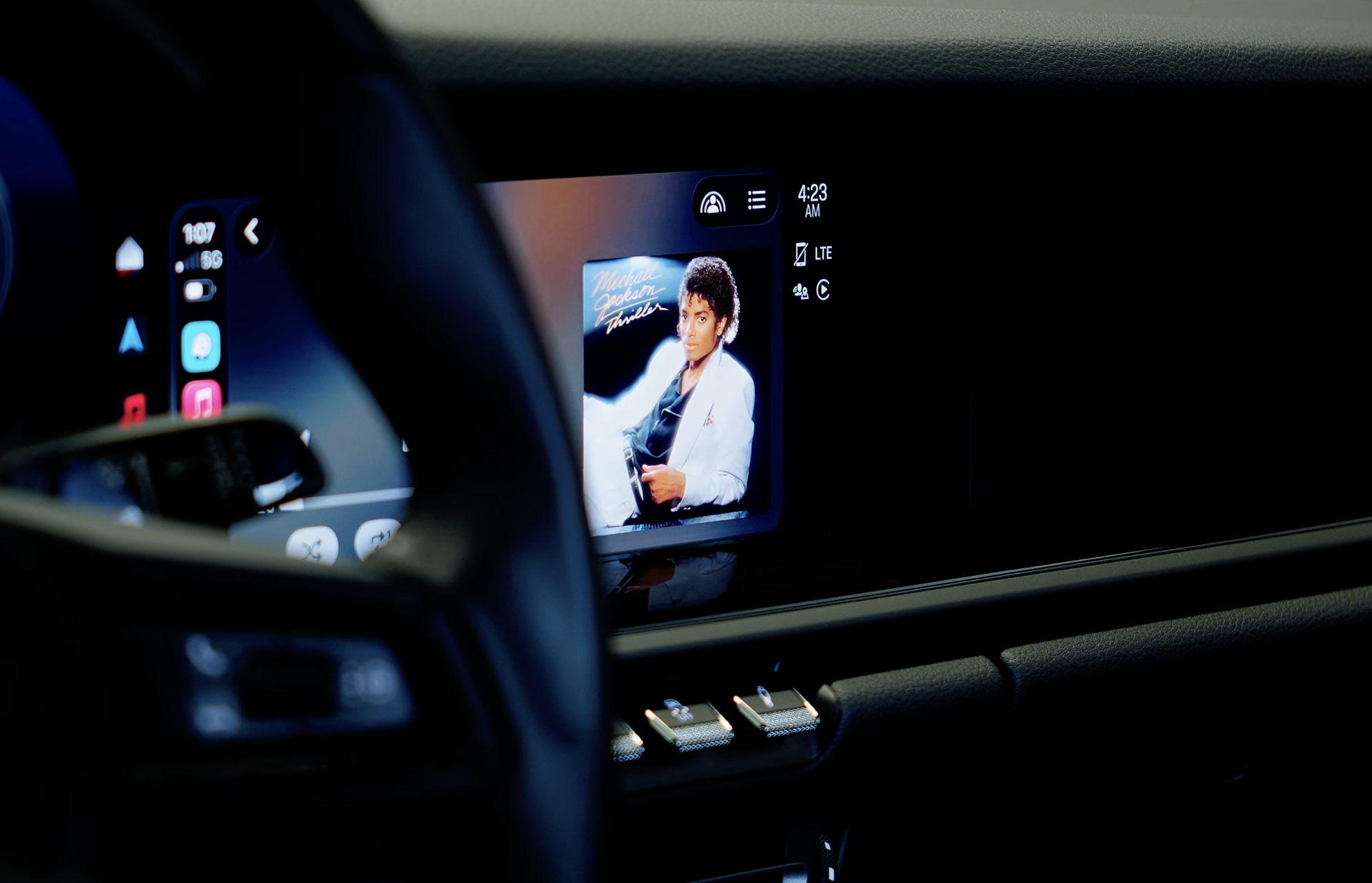


A serious leap beyond factory audio, greater clarity, deeper bass, stronger output and a complete listening experience that will already feel extraordinary to most.
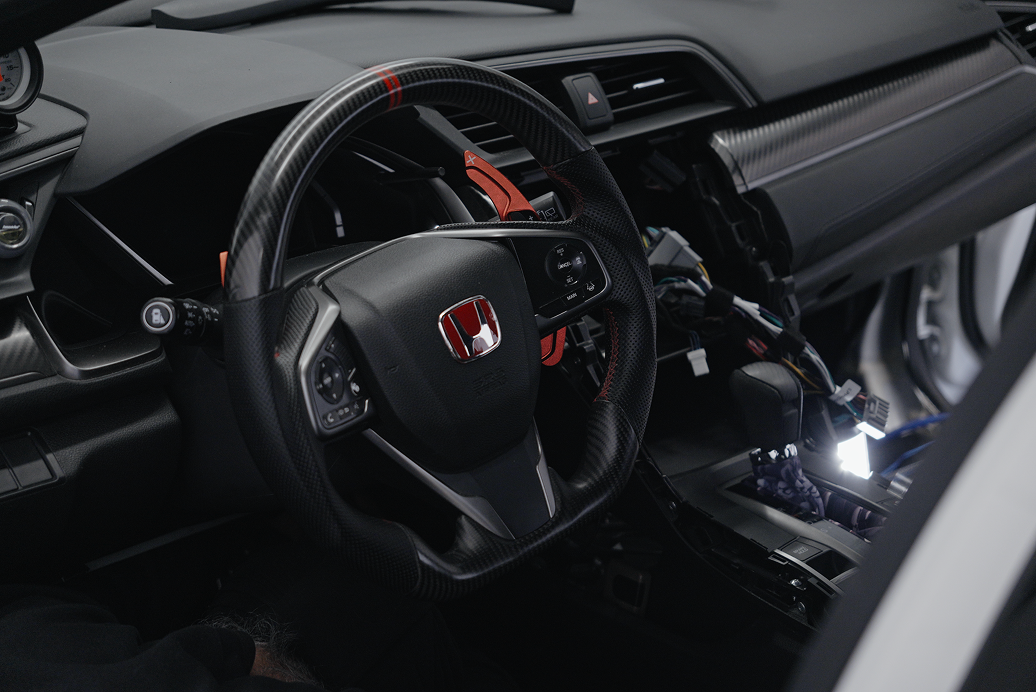

A more refined listening experience greater detail, separation, balance and precision for those who want their music to sound exceptionally clear, natural and complete.
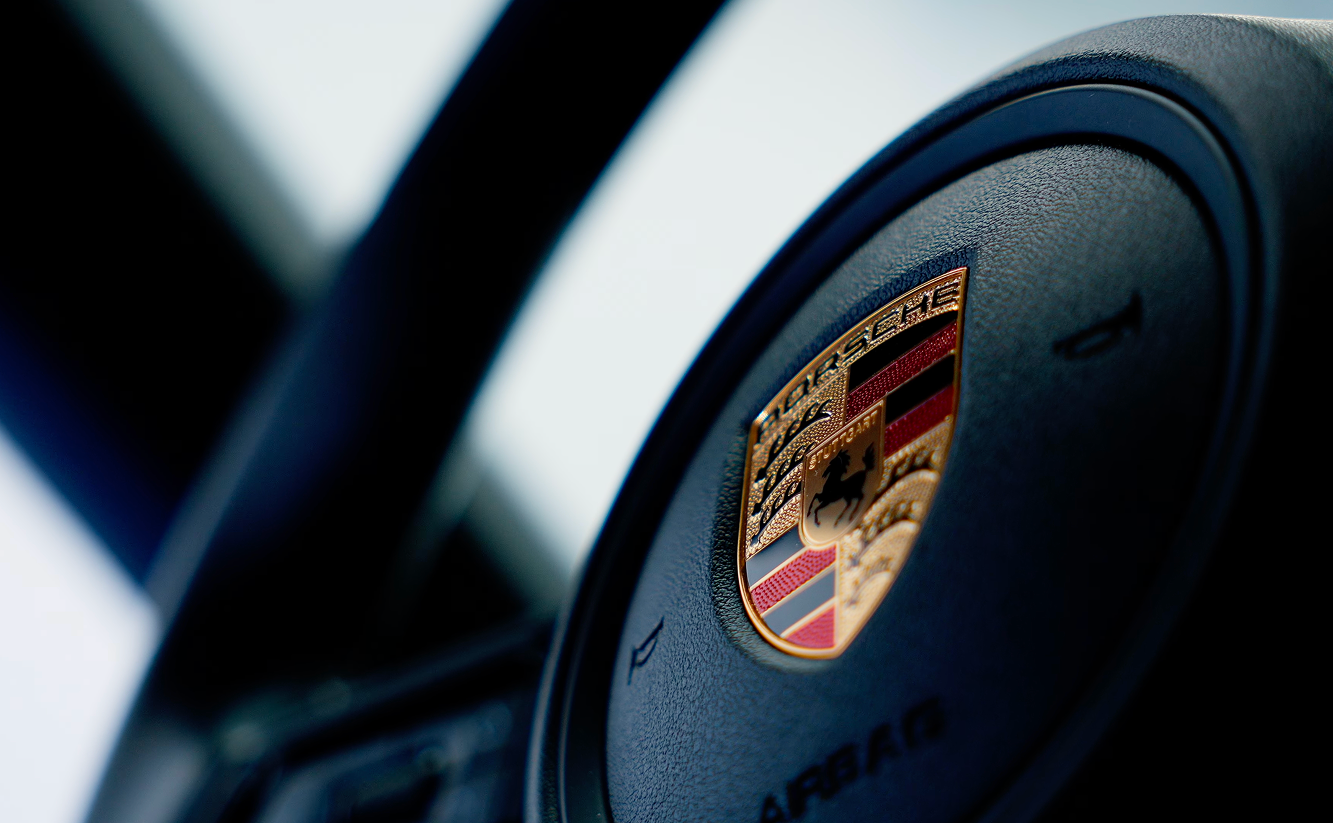

High-end car audio built for extraordinary realism revealing the smallest details, preserving the character of every instrument and bringing the listening experience closer to the music itself.


Advanced Mobile Entertainment has been building, installing and tuning car audio systems in Brampton for more than three decades, serving listeners from across the Greater Toronto Area and Ontario. From speaker and subwoofer upgrades to DSP tuning, OEM-integrated systems and complete custom car audio installations, the work happens here, one vehicle at a time.
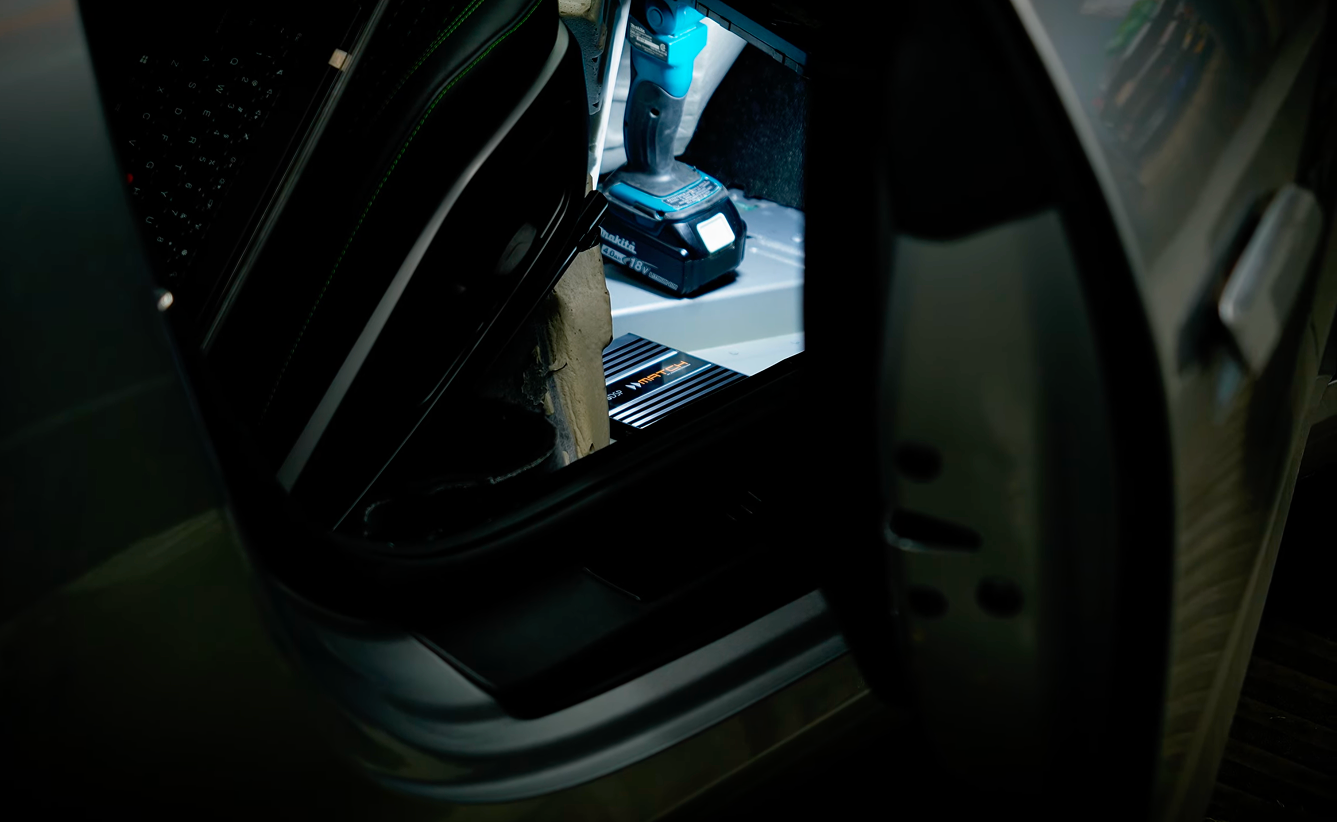
You don't need to know which speakers, amplifier or DSP you need. Tell Advanced Mobile Entertainment what you drive, what you listen to and what you wish your current car audio system did better. We'll start there.
Let's have a chatWe specialize in bass upgrades, speaker replacements, DSP calibration, and custom audio builds — all installed using factory-safe integration methods. Serving Brampton and the Greater Toronto Area since 1990.
Advanced Mobile Entertainment is a professional car audio installation shop located in Brampton near Steeles Ave & Torbram Road. Specializing in subwoofer upgrades, DSP tuning, and OEM-integrated sound systems. Serving Brampton, Toronto, Mississauga, Vaughan, and the Greater Toronto Area.
Advanced Mobile Entertainment, 2565 Steeles Ave E #5, Brampton, ON L6T 4L6, Canada
Ways for you to get in contact with us: Call us or Email us directly. Or Submit a Inquiry Form on our website.
© 2026 All Rights Reserved | Advanced Mobile Entertainment
Website, Marketing & Media Powered by